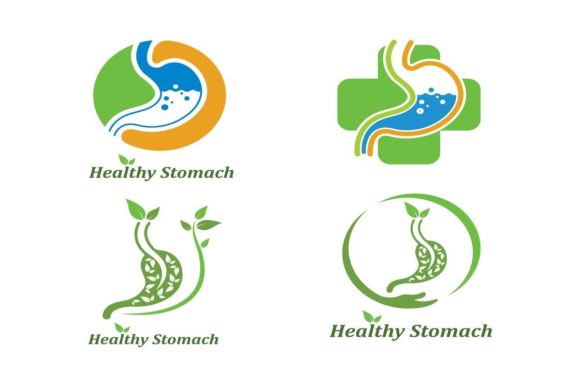
Healthy Stomach Vector Illustration Design Set
When you're building a brand around wellness, nutrition, or medical topics, finding the right visual language matters more than most people realize. Stock photos feel generic. Custom illustrations cost a fortune. And clip art from the early 2000s? Let's not go there. That's exactly where a well-crafted design asset like the Healthy Stomach Vector Illustration Design Set fills a genuine gap in the market.
This collection includes four distinct stomach vector designs, each carrying a slightly different visual personality. Some lean toward a clean, medical-grade aesthetic with smooth gradients and anatomical accuracy. Others adopt a friendlier, more approachable style—rounded shapes, softer color palettes, and that subtle warmth that makes viewers feel comfortable rather than clinical. The variety within the set means you're not locked into one mood. You can match different illustrations to different contexts without losing visual cohesion across a project.
Why Vector Illustrations Beat Raster Graphics for Health-Focused Projects
Before diving into specific applications, it's worth understanding why vector format matters here. Unlike raster images that pixelate when you scale them up, vectors maintain crisp edges at any size. A stomach illustration designed in EPS file format can appear on a tiny social media icon or stretch across a six-foot trade show banner without losing a single detail. The JPG file included in the set gives you a ready-to-use option for quick digital placements where editing flexibility isn't necessary.
This dual-format approach is practical. Designers working in Adobe Illustrator or CorelDRAW can manipulate the EPS files—adjusting colors, removing elements, combining illustrations with typography. Meanwhile, bloggers and content creators who need something fast can drop the JPG directly into a WordPress post or a Canva layout. Both paths lead to professional results without requiring advanced technical skills.
Visual Style and Personality
The four illustrations in this set avoid the trap of looking either too cartoonish or too sterile. That middle ground is surprisingly hard to find. The linework feels intentional—confident strokes that suggest expertise without feeling intimidating. Color choices tend toward greens, blues, and warm neutrals, which align naturally with how audiences already associate health and wellness. There's an underlying optimism baked into the design language, which matters when you're trying to inspire behavioral change rather than just inform.
What strikes me as particularly useful is how each illustration handles the balance between scientific credibility and approachability. A nutritionist creating patient handouts needs visuals that feel trustworthy. A wellness blogger needs images that feel inviting. A supplement company needs graphics that feel modern and premium. This set threads that needle across its four variations, giving you enough range to cover multiple tones within a single project or across an entire brand system.
Practical Applications Across Creative Industries
Let's talk about where these illustrations actually work in the real world, because theory only gets you so far.
Editorial design and publishing represent perhaps the most obvious use case. Magazine features about gut health, digestive wellness articles, and nutrition guides all benefit from custom-quality visuals that don't look recycled. If you're a publisher producing regular health content, having a set of four variations means you can rotate illustrations across issues without readers noticing repetition. That visual freshness keeps your layouts feeling current.
For packaging design, especially in the supplement and functional food space, vector stomach illustrations can serve as supporting graphics alongside your primary brand identity elements. Think about how probiotics, digestive enzymes, or fiber supplements position themselves on shelves. A clean vector illustration communicates transparency and professionalism—exactly the signals consumers look for when evaluating health products they'll put inside their bodies.
Social media graphics represent another high-value application. Instagram posts, Pinterest pins, and Facebook ads for health-related businesses need visuals that stop the scroll without feeling alarmist. These illustrations hit that sweet spot. They're eye-catching enough to compete in a crowded feed but calming enough to align with the wellness messaging most health brands cultivate.
Web Design and Digital Platforms
Website headers, blog post featured images, email newsletter graphics, landing page hero sections—the digital applications multiply quickly. A health coaching website, for instance, could use one illustration as a recurring motif across its service pages, creating visual consistency that reinforces brand recognition. The vector format ensures these graphics load cleanly on retina displays and adapt responsively across devices.
For entrepreneurs building health-focused apps or online courses, incorporating these illustrations into UI elements, onboarding screens, or lesson graphics adds a layer of professionalism that generic stock imagery simply can't match. Users notice when visual assets feel cohesive and intentional. It builds trust, which directly impacts conversion rates and engagement metrics.
Choosing the Right Illustration for Your Project
With four designs available, selection becomes a strategic decision rather than an aesthetic whim. Start by identifying your project's primary emotional register. Are you educating people about a medical condition? The more anatomically precise illustrations serve that purpose. Are you encouraging healthier eating habits? The friendlier, more stylized options resonate better with that audience.
Consider your existing design assets and color palette. Even though vector files allow color adjustments, starting with an illustration that naturally complements your brand's existing visual system saves time and produces more harmonious results. Pull up your style guide, compare the illustration's default palette against your brand colors, and evaluate how much modification each option would require.
Testing matters. Don't select based on how an illustration looks in isolation. Place it within your actual layout—next to your typography, beside your photographs, within your grid system. Context changes everything. An illustration that feels perfect at thumbnail size might overwhelm a full-page spread, or vice versa.
Licensing and Commercial Considerations
Before incorporating any design asset into commercial work, review the licensing terms carefully. Understand whether the license covers your specific use case—whether that's a client project, a product you're selling, or a platform you're monetizing. Most vector illustration sets come with clear commercial licensing, but the details matter. Can you modify the files? Can they appear on merchandise? How many end products does the license cover?
For designers working with clients, clarifying licensing boundaries upfront prevents awkward conversations later. Document which assets you've used and under what terms. This practice protects both you and your clients, and it's the kind of professional habit that separates experienced practitioners from hobbyists.
Building a Consistent Visual Language
The real power of a well-curated illustration set extends beyond individual projects. When you use consistent visual assets across your website, social channels, print materials, and presentations, you create a visual hierarchy that audiences internalize over time. They begin associating those particular visual cues with your brand, your expertise, and the value you provide.
This is where the Healthy Stomach Vector Illustration Design Set becomes more than a one-time purchase. It becomes a foundational element in your visual communication strategy. Whether you're a nutritionist building a practice, a marketer developing campaigns for a health brand, or a blogger creating content that genuinely helps people make better dietary choices, having reliable, professional design assets at your fingertips changes how efficiently you produce work—and how consistently that work represents your standards.
Good design doesn't shout. It communicates clearly, builds trust quietly, and supports the message without competing with it. That's exactly what thoughtful vector illustrations accomplish when chosen and applied with intention.